01
The world’s most efficient engines
Modern engines: around 35% efficiency. Carnot Engines: over 70% efficiency. Same power, half the fuel.
.avif)
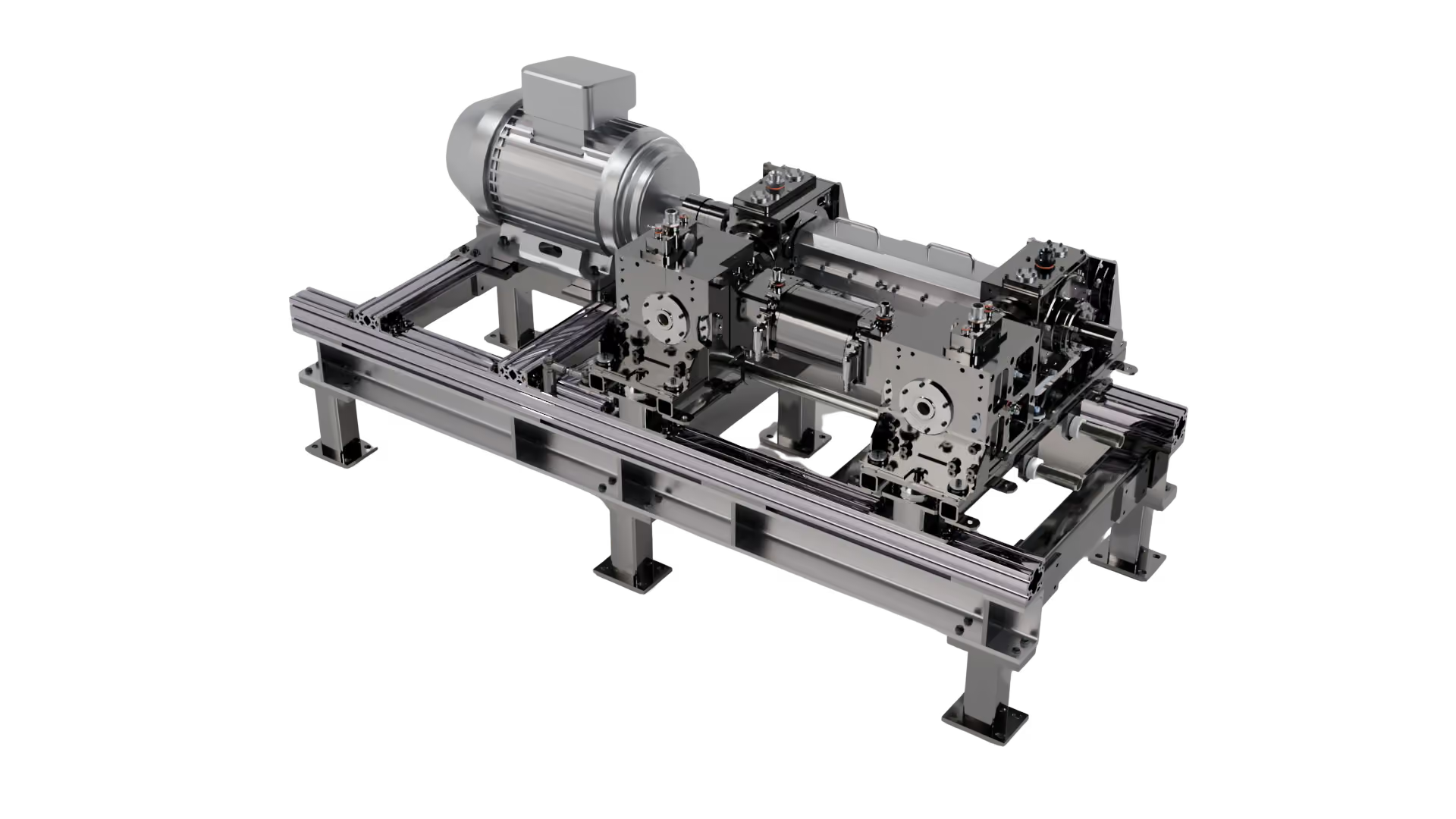
Carnot’s next-generation engines deliver more power from every unit of fuel. Built for demanding applications and designed to run on multiple fuels.
Modern engines: around 35% efficiency. Carnot Engines: over 70% efficiency. Same power, half the fuel.
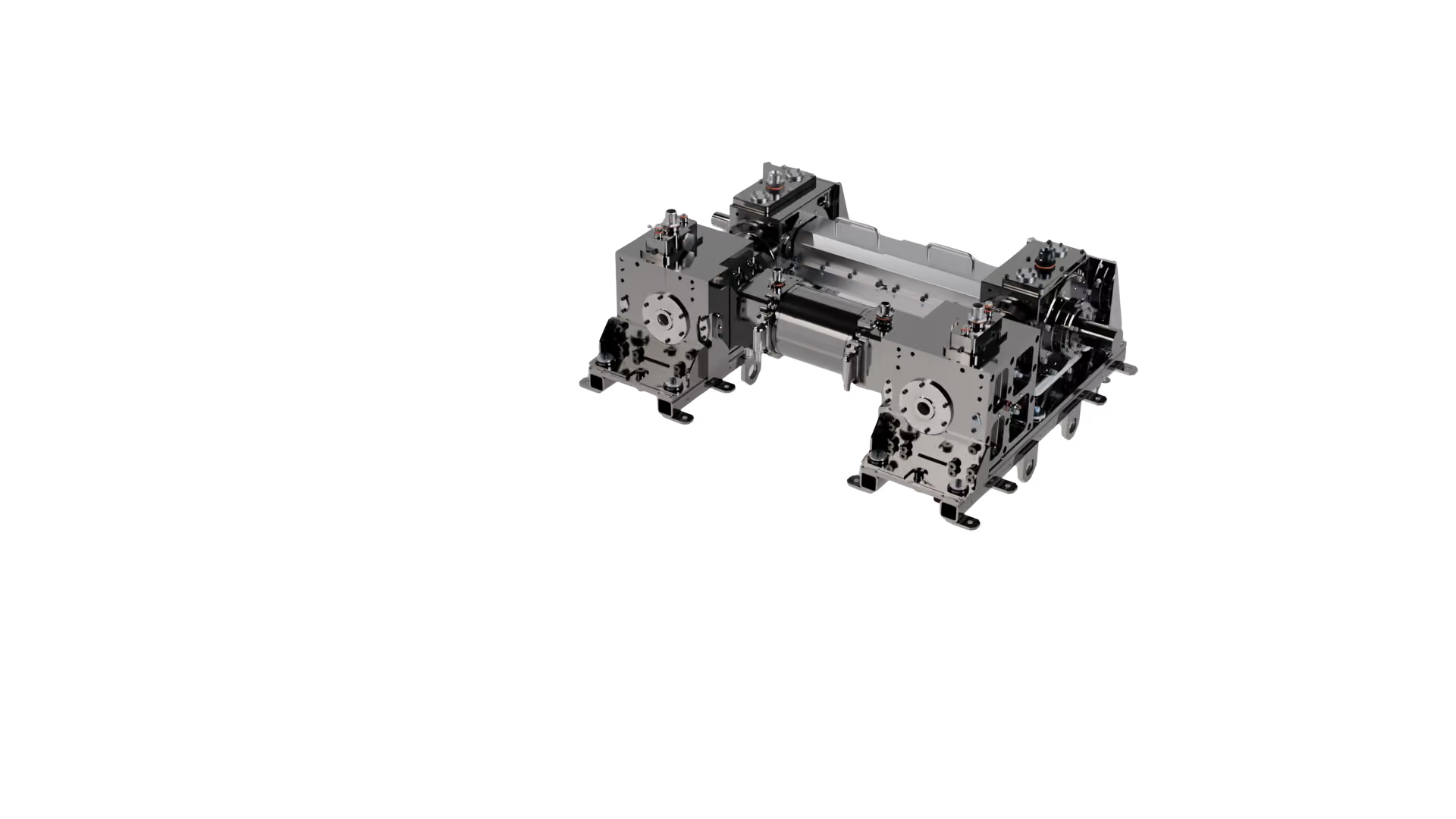
Modern engines use petrol, diesel or gas fuels. Carnot Engines use all fuels.
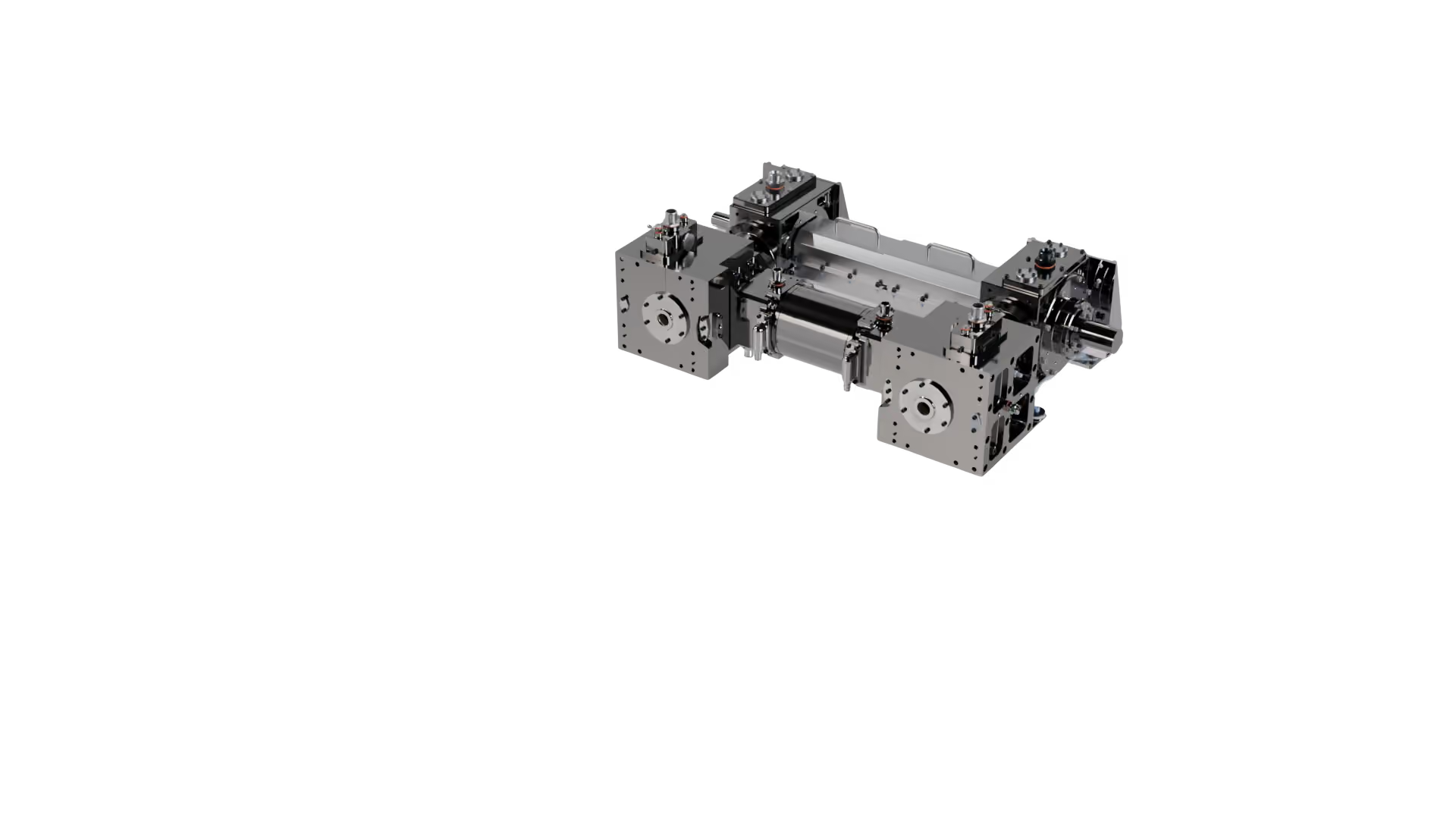
Fuel dominates the cost of power and is rising. Carnot Engines reverse that trend. Lower fuel cost, lower emissions.
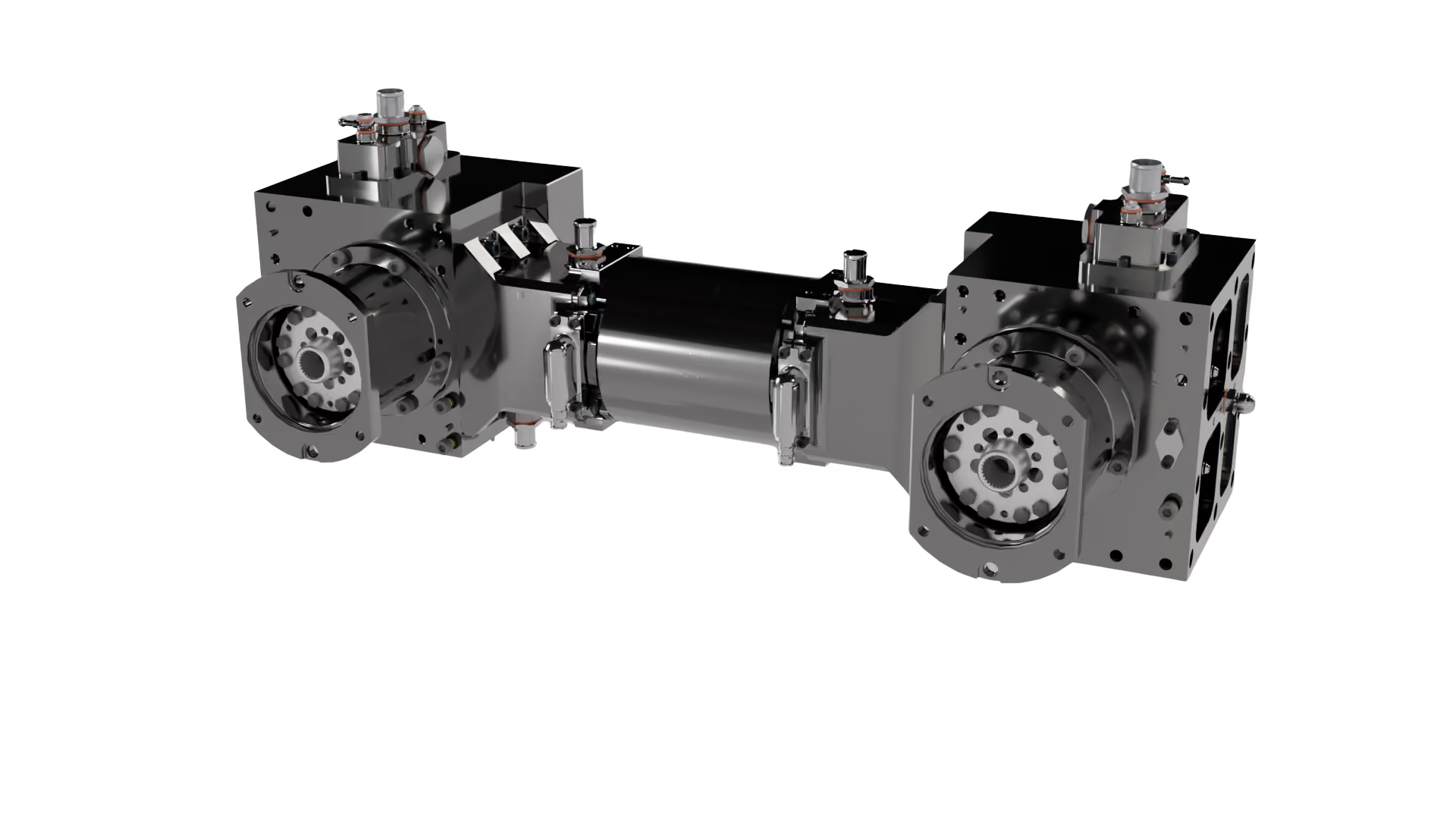
Modern engines: an oil change every 500 hours. Carnot Engines: an oil change every 5,000 hours.
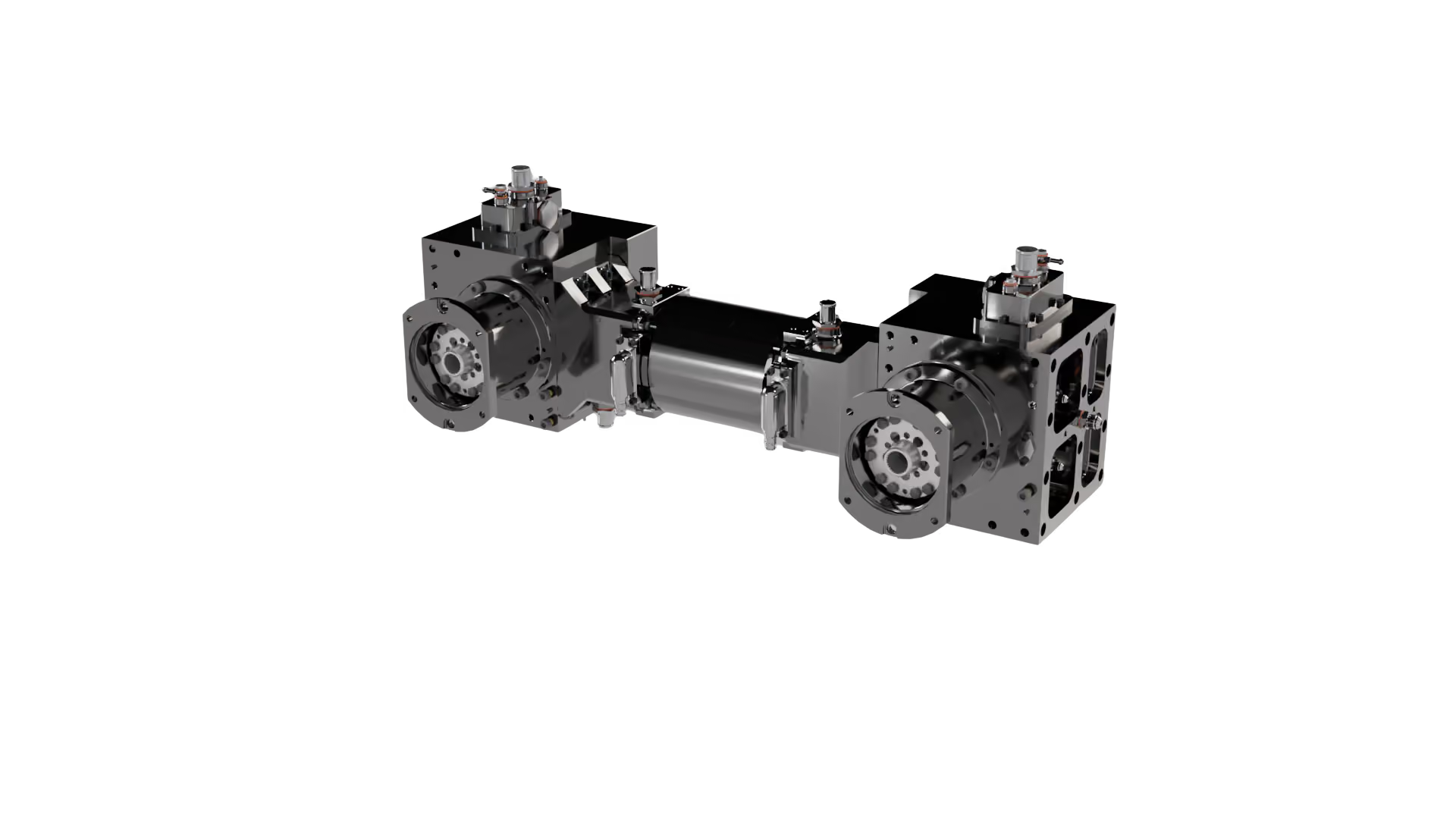
Modern engines need 3–4 cylinders and 2,000–2,500 cc for 50 kW. Carnot Engine: 1 cylinder, 250 cc.
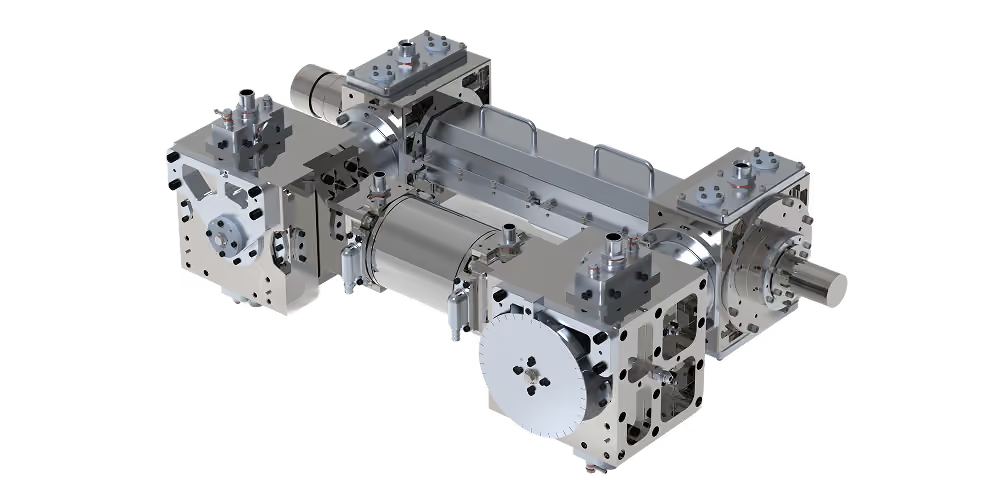
CARNOT's single cylinder engine delivers a breakthrough 70% brake thermal efficiency, more than double of conventional engines, significantly reducing fuel consumption and operating costs. Designed for demanding applications across maritime, Heavy-duty transport, off-grid power and defence. It's Multi-fuel capability offers a low risk and practical pathway to decarbonisation
UP TO 0%
ENERGY LOSS AVOIDED
0
COOLING SYSTEMS REQUIRED
ONE ENGINE. MULTIPLE FUEL PATHWAYS.
In traditional engines, cooling systems are required to keep aluminium and steel components within their operating temperature range. This active cooling and other heat losses directly wastes about 30% of the energy generated directly from the fuel.
By eliminating the need for cooling systems, we eliminate the biggest source of wasted energy.
A Carnot engine is completely fuel agnostic, or multi-fuel. Engines can use Hydrogen, Ammonia, Methanol, Bio-fuel, Biogas, HVO, LNG, Diesel and synthetic drop in fuels to name a few.
The same engine can also be upgraded to run different fuels. For example, a customer can reduce fuel costs and emissions immediately by 50% whilst running diesel. In a few years, they can upgrade the same engine to run hydrogen, methanol, ammonia or biofuels to achieve Net Zero operation.

By doubling efficiency to 70%, we half fuel consumption and thus reduce fuel costs by 50%. For heavy-duty power, fuel dominates the lifetime total cost of ownership, often reaching ~90%.
By increasing efficiency, a Carnot Engine also reduces emissions, cutting GHG emissions by 50% even when using diesel! Using the multi-fuel technology, Carnot customers can reduce emissions 50% immediately using diesel, with the ability to upgrade that same engine to hydrogen or other net-zero fuels whenever the timing is right.